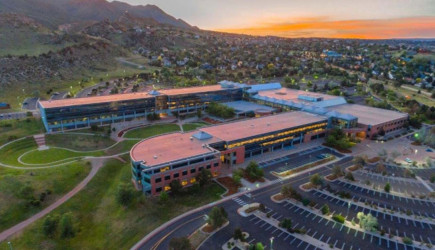
SEAL investigates and develops prototype radio/microwave frequency sensor systems with particular emphasis on radar systems engineering, electronics intelligence (ELINT), communications intelligence (COMINT), measurement and signal intelligence (MASINT), electromagnetic environmental effects, radar system performance modeling and simulation, advanced signal and array processing, sensor fusion, antenna technology, and EA/EP. SEAL develops advanced signal and data processing methods for acoustic sensors and multi-sensor intelligence exploitation architectures and algorithms covering all wavebands.
Radar programs focus on the following:
- Development, analysis and performance evaluation of radar systems
- Reflectivity and propagation measurement characterization
- Electronic attack and protection techniques
- Avionics integration
- Target identification
- Tracking and sensor fusion
- Vulnerability analysis
- Signal processing techniques
- Space-time adaptive processing
- Ground and airborne moving target indication
- Synthetic aperture radar
- System sustainment tool development
- Medical applications of sensor technology
Antenna-related research programs characterize antenna properties, develop phased-array antenna concepts and develop various kinds of reflector-type and lens antennas. In the field of electromagnetic environmental effects, SEAL researchers analyze, measure, and control the electromagnetic interactions among elements of an electronic system and between the system and its environment.
Additional research areas include:
- Sensor development for missile defense
- Physical security
- Meteorology
- Space-based surveillance and detection
- UAV payloads
- Transportation applications
- Engineering data analysis and modeling for sustainment of complex electronic systems
- Multispectral sensor fusion
SEAL also provides customer-tailored short courses in electronic defense.