

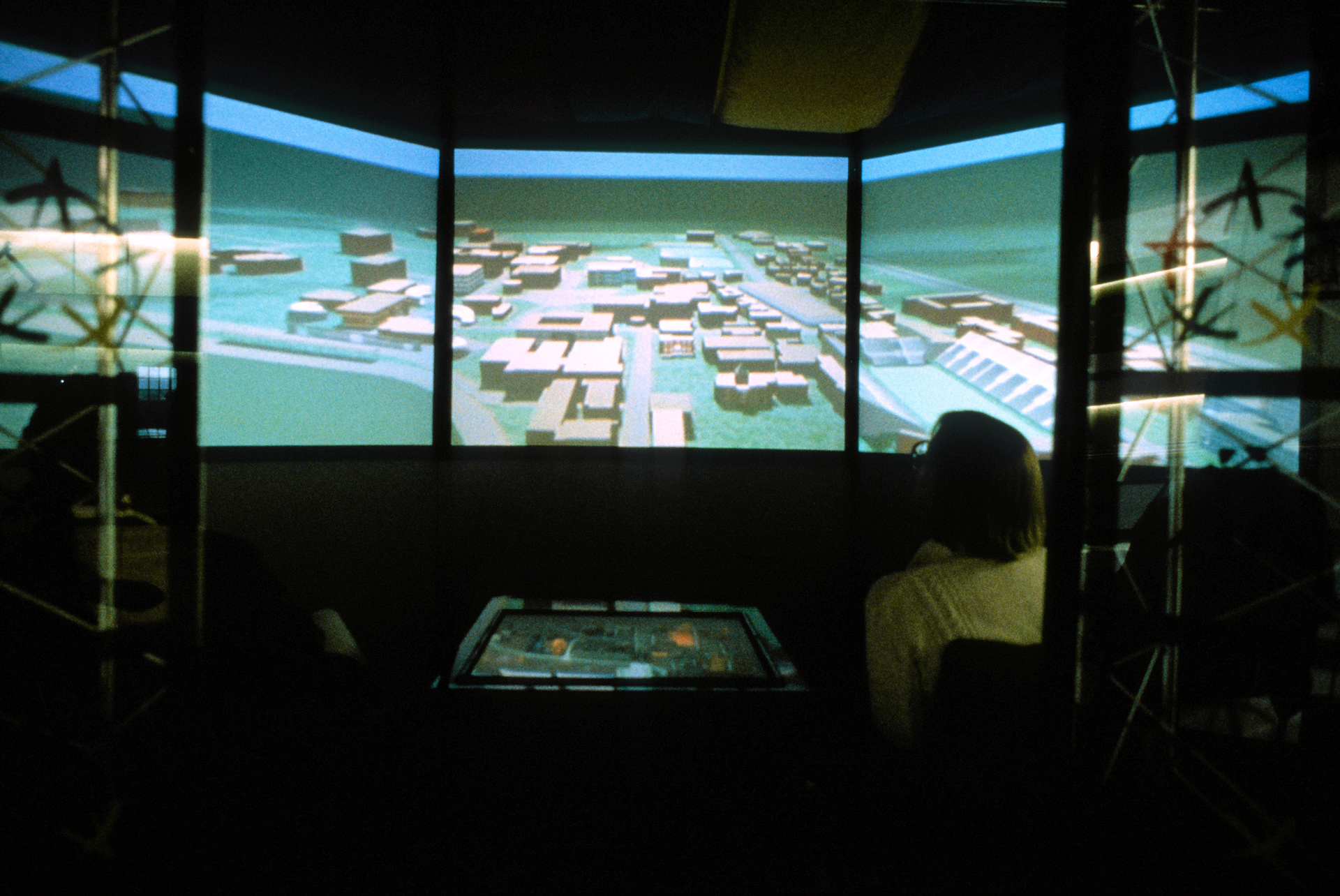
When International Olympic Committee members gathered to review Atlanta's bid for the 1996 Summer Games, they encountered something unexpected: a glimpse into the future.
A towering interactive display — 7 feet tall with three screens — invited them to fly over proposed Olympic venues virtually, touch buildings to learn about athletes’ experiences, and explore a whitewater course 90 miles away. The technology, developed by researchers at the Georgia Tech Research Institute, blended virtual reality with satellite imagery in ways that seemed almost magical in the early 1990s.
It worked. Atlanta won the bid, and GTRI's role was just beginning.
This summer marks 30 years since the Olympic flame burned in Atlanta, and GTRI's contributions to those Games reveal how applied research can transform both technology and communities. From submarines to solar panels, GTRI’s work during that Olympic summer created a blueprint for innovation that continues today.
When Defense Research Met Olympic Dreams
The interactive bid system didn't emerge from nowhere. Its DNA traced back to Cold War-era defense projects such as missile defense simulations and submarine navigation displays. GTRI researchers saw potential beyond the battlefield.
One component repurposed a flat-panel display originally designed for submarines in 1964. Another featured a miniature Olympic Village model that came alive when touched, showing animated scenes of athletes training, eating, and resting. The most ambitious version integrated data from LANDSAT satellites orbiting overhead, aircraft photography, and U.S. Geological Survey terrain maps to create a seamless digital journey down Tennessee's Ocoee River, where whitewater events would take place.
The goal was practical: help television viewers understand where they were when broadcasts switched between Atlanta venues and the distant whitewater course. The result was something more, a demonstration that Georgia Tech could turn complex technical challenges into elegant solutions.
Helicopters, Traffic, and Solar Power
Once the Olympic torch arrived in Atlanta, Georgia Tech's campus transformed into the Olympic Village. For GTRI, it became an urban laboratory.
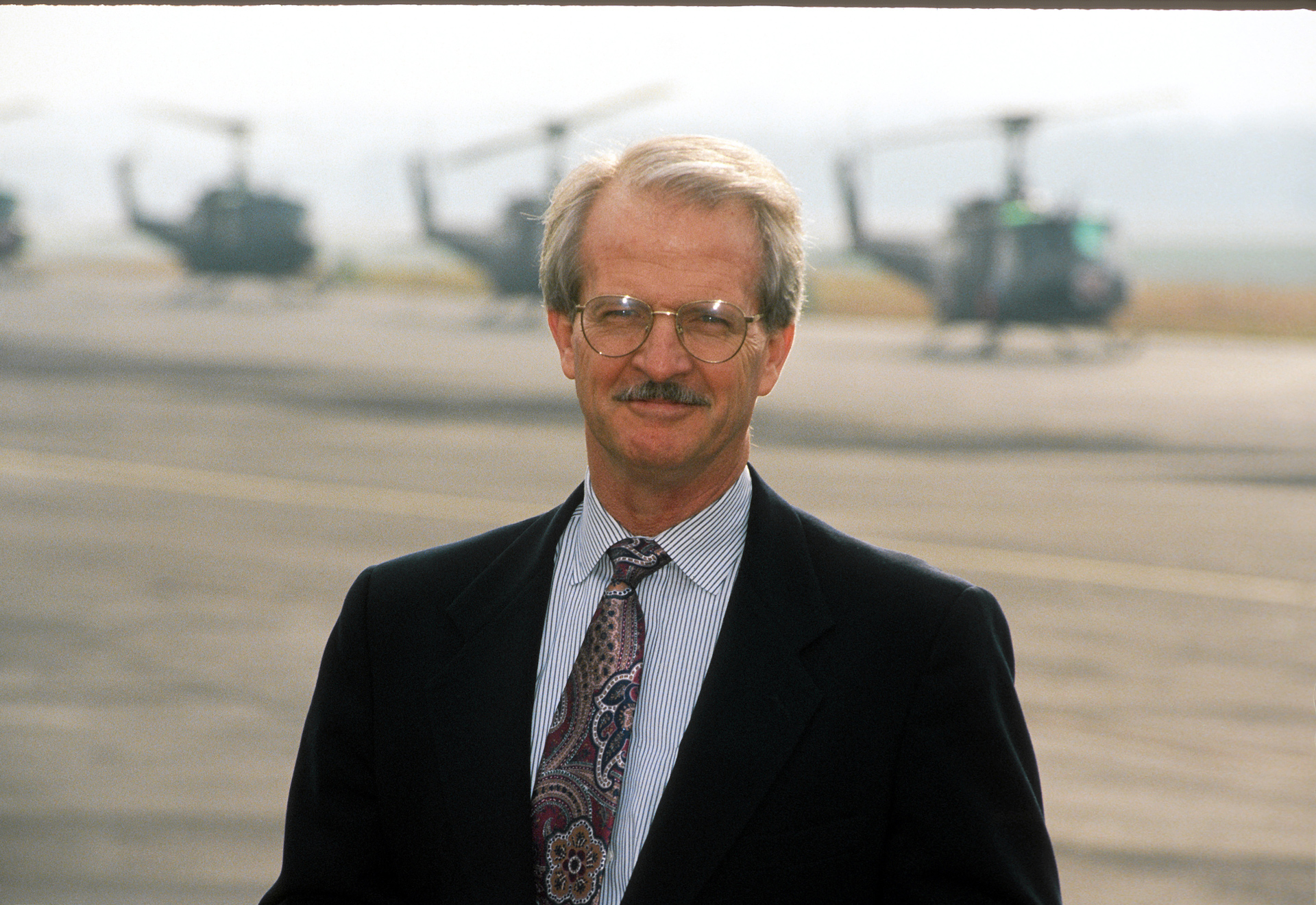
Charles Stancil led a team to test whether GPS technology, still relatively new to civilian use, could guide helicopters through Atlanta's dense urban corridors. The aircraft ferried documents and packages across the city while GTRI researchers tracked their every move, proving that satellite navigation could work reliably even when skyscrapers blocked signals.
On Atlanta's congested streets, another experiment unfolded. GTRI outfitted a vehicle fleet with 220 MHz transceivers connected to a commercial FM radio station's subcarrier signal. Drivers received real-time updates about traffic jams, accidents, weather, and event schedules — a 1996 version of today's navigation apps. GTRI's job was to evaluate whether the system actually worked and to fix the technical glitches that inevitably arose.
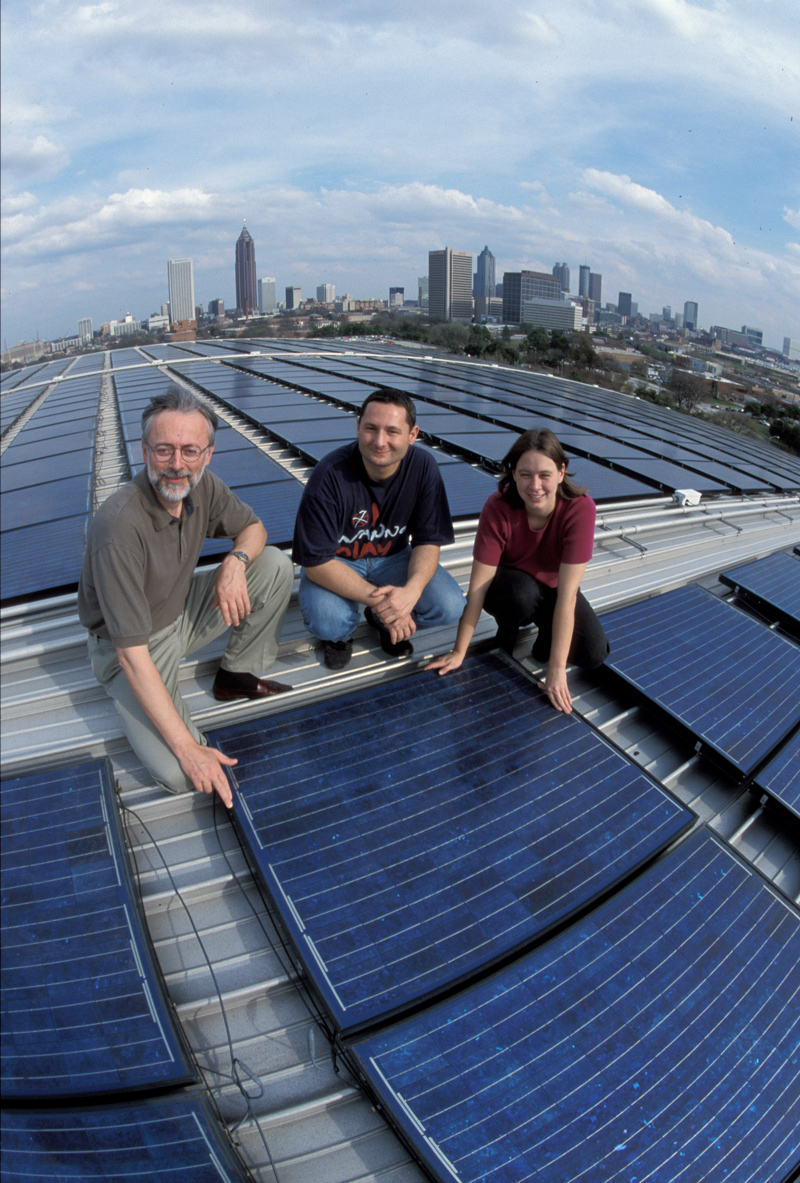
Above the Georgia Tech Aquatic Center, 2,856 solar panels stretched across the roof. The photovoltaic system generated 340 kilowatts, enough to supply a quarter of the natatorium's power needs. GTRI researchers monitored its performance throughout the Games, gathering data on renewable energy at a time when solar power remained largely experimental.
From Olympic Rings to World Cup Goals
The innovative spirit that defined GTRI's Olympic work hasn't faded. Last week, as a FIFA World Cup semifinal match concluded in Atlanta, GTRI technology was again protecting visitors at major sporting events.
The Severe Storms Research Center operated the North Georgia Lightning Mapping Array during World Cup festivities, tracking lightning in three dimensions across metro Atlanta. Nine detection stations fed data to forecasters monitoring outdoor Fan Festival events, providing early warnings when thunderstorms approached — a modern parallel to the transportation safety systems GTRI developed three decades earlier.
The through-line is clear: applied research solving real problems for real people, whether Olympic athletes in 1996 or soccer fans in 2026.
Innovation's Long Game
Thirty years creates perspective. The virtual reality system that wowed Olympic officials now seems quaint compared to smartphones in every pocket. GPS navigation has become so ubiquitous that we forget it once required specialized equipment and expert operators. Solar panels have evolved from experimental installations to mainstream power sources.
Yet GTRI's Olympic legacy isn't about specific technologies becoming obsolete. It's about an approach — taking tools developed for one purpose and reimagining them for another, turning major events into opportunities for testing and learning, and maintaining deep connections to the Atlanta community.
The 1996 Olympics put Atlanta on the global stage. Behind the scenes, GTRI helped build that stage, light it, and navigate to it. Three decades later, that work continues, one innovation at a time.

Related News


